Understanding Painting Costs in 2026: A Comprehensive Guide per Square Foot

Painting a home or commercial space can transform its look and feel, but understanding the costs involved is essential before starting. Painting costs vary widely depending on many factors, and getting an accurate estimate helps avoid surprises and budget overruns. This guide breaks down painting costs per square foot in 2026, explains what influences pricing, and offers practical tips to estimate your project with confidence.

Average Painting Costs
Painting costs depend on whether the job is inside or outside, the quality of materials, and whether you hire a professional or do it yourself.
Interior painting typically costs between $2 and $6 per square foot. This range covers walls, ceilings, and sometimes trim.
Exterior painting usually runs higher, from $3 to $8 or more per square foot, due to additional prep work and weather-resistant paints.
DIY painting can save money on labor but requires time, skill, and tools. Professional painters charge for expertise, speed, and quality finishes.
For example, painting a 1,000 sq ft interior space professionally might cost between $2,000 and $6,000, while doing it yourself could reduce labor costs but increase time and effort.
What Affects Painting Cost
Several factors influence the final price of a painting project:
Surface area and height: Larger walls and high ceilings require more paint and effort.
Paint quality and type: Premium paints last longer and cover better but cost more upfront.
Prep work: Patching holes, sanding, and priming surfaces add to labor and material costs.
Labor and location: Labor rates vary by region; urban areas tend to be more expensive.
For instance, a home with damaged drywall needing extensive patching will cost more than a freshly plastered wall.
Common Painting Projects
Painting projects vary widely in scope and complexity:
Interior rooms: Bedrooms, living rooms, kitchens, and bathrooms each have different prep needs and paint types.
Exterior homes: Weather exposure requires durable paints and often more prep like scraping and power washing.
Trim and detail work: Painting baseboards, crown molding, and window frames requires precision and time, increasing costs.
A kitchen repaint might cost more due to grease buildup needing thorough cleaning before painting.
How to Estimate Paint
Estimating paint involves understanding square footage, the number of coats, and paint coverage per gallon.
Measure the total wall area by multiplying length by height.
Subtract areas of windows and doors to get net paintable surface.
Most paints cover about 350 to 400 square feet per gallon.
Plan for at least two coats for even coverage and durability.
For example, a 500 sq ft wall area will need roughly 2.5 gallons of paint for two coats (500 sq ft × 2 coats ÷ 400 sq ft per gallon).
Use our Square Footage Calculator to measure your walls accurately and calculate your paint needs with the Paint Calculator.
Cost Breakdown
Painting costs include several components:
Paint: Quality paint ranges from $25 to $60 per gallon.
Labor: Professional painters charge $20 to $50 per hour depending on skill and location.
Prep work: Cleaning, sanding, and priming can add 10% to 30% to the total cost.
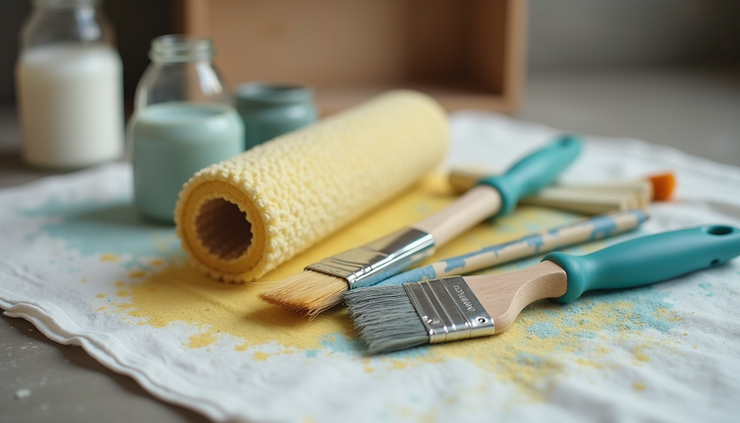
Supplies: Brushes, rollers, tape, drop cloths, and other materials add to expenses but are often included in professional quotes.
For example, a 1,200 sq ft interior paint job might break down as $600 for paint, $1,800 for labor, and $300 for prep and supplies.
Common Mistakes
Avoid these pitfalls to keep your painting project on budget and looking great:
Underestimating paint quantity: Buying too little paint leads to multiple trips and inconsistent colors.
Skipping prep work: Poor surface preparation causes peeling and uneven finishes.
Not accounting for multiple coats: One coat rarely provides full coverage, especially on darker colors or new drywall.
Planning carefully and using calculators can help prevent these errors.

Using a Calculator
Estimating paint and labor costs can be complex. Online tools simplify this by letting you input room dimensions, paint type, and number of coats to get a detailed estimate.
The Paint Calculator helps determine how much paint you need.
The Square Footage Calculator ensures accurate measurements.
The General Construction Estimating Calculator provides a broader cost overview including labor and materials.
Using these tools reduces guesswork and helps you plan your budget effectively.
Related Resources
For a complete home improvement budget, check out our Flooring Cost Guide to understand how flooring expenses compare and complement painting projects.
Estimate Your Painting Project
Ready to plan your painting project? Use our tools to calculate materials or request a professional quote.


Comments