Understanding Concrete Curing Time A Comprehensive Guide
- Support Inbox
- Apr 15
- 3 min read

Concrete is one of the most widely used building materials worldwide. Whether you are pouring a driveway, foundation, or patio, understanding how long concrete takes to cure is essential for a successful project. Many people confuse drying with curing, which can lead to mistakes that affect the strength and durability of the concrete. This guide explains the difference between drying and curing, outlines the typical curing timeline, explores how weather impacts the process, and offers practical tips to ensure your concrete reaches its full potential.

What Is the Difference Between Drying and Curing Concrete?
Many people use the terms drying and curing interchangeably, but they describe different processes.
Drying refers to the evaporation of water from the concrete surface. This happens relatively quickly, often within hours or a few days depending on conditions.
Curing is the chemical process where water reacts with cement to form strong bonds. This process continues for weeks and determines the concrete’s final strength.
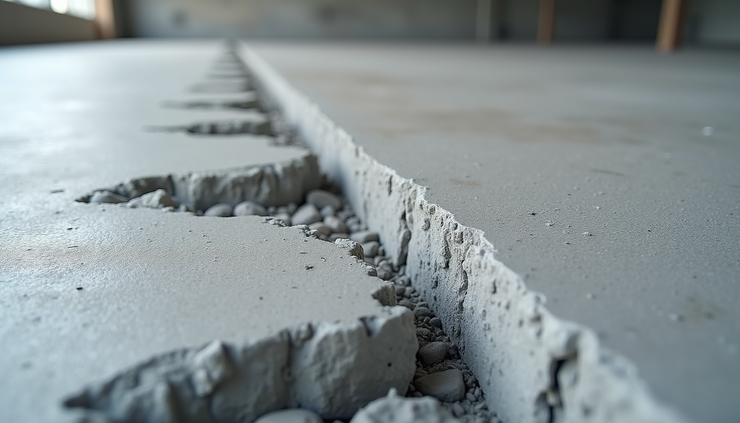
Concrete may feel dry to the touch after 24 to 48 hours, but it is still curing internally. Proper curing requires maintaining moisture and temperature conditions that allow the chemical reactions to continue. If concrete dries out too soon, it can crack, weaken, or fail prematurely.
Concrete Curing Timeline: What to Expect
Concrete curing is a gradual process. Here is a typical timeline for curing concrete under normal conditions:
First 24 Hours
Concrete begins to set and harden.
It gains enough strength to support light foot traffic.
Surface may appear dry, but internal curing is just starting.
Avoid heavy loads or stress on the slab.
7 Days
Concrete reaches about 70% of its full strength.
It is still vulnerable to damage if exposed to extreme conditions.
Moisture retention is critical during this period.
Many contractors recommend keeping the surface moist by misting or covering with wet burlap.
28 Days
Concrete achieves its full design strength.
Most structural and load-bearing properties are developed.
The slab is ready for heavy use or further construction.
Curing can continue beyond 28 days but at a much slower rate.
How Weather Affects Concrete Curing
Weather conditions play a major role in how quickly and effectively concrete cures.
Hot Weather
High temperatures speed up the chemical reactions, causing concrete to set faster. This can lead to cracking if the surface dries too quickly. To prevent this, keep the concrete moist and consider using curing compounds or shade.
Cold Weather
Low temperatures slow down curing and can even stop the chemical process if it drops below freezing. Use insulating blankets or heaters to maintain warmth and protect the concrete.
Wind and Low Humidity
These conditions increase evaporation, drying the surface too fast and risking cracks. Covering the concrete with plastic sheets or wet coverings helps retain moisture.
Tips for Proper Concrete Curing
Keep the surface moist for at least 7 days by spraying water or using wet coverings.
Avoid heavy loads on the slab until it reaches sufficient strength.
Use curing compounds to seal moisture in if water curing is not practical.
Protect concrete from extreme temperatures with blankets or shade.
Plan your project timeline considering weather forecasts and curing needs.
For precise calculations on how much concrete you need and to plan your project effectively, check out our Concrete Calculator and explore our Main Pillar Page for more detailed resources.
Featured Snippet
How long does concrete take to cure?
Concrete typically takes about 28 days to cure fully and reach its maximum strength. However, it gains enough strength to support light use within 24 hours and reaches approximately 70% of its strength after 7 days. Proper curing involves maintaining moisture and temperature to allow the chemical reactions to complete.
Common Questions About Concrete Curing
Can I speed up concrete curing?
You can accelerate curing by using additives or warm water, but this may increase the risk of cracking if not managed carefully.
Is concrete ever fully dry?
Concrete never fully dries out; it continues to cure and strengthen over time as long as moisture is present.
What happens if concrete dries too fast?
Rapid drying causes shrinkage cracks and weakens the slab, reducing its lifespan.
Final Thoughts
Understanding concrete curing time is crucial for any construction or DIY project involving concrete. Proper curing ensures your concrete reaches its full strength and durability, preventing costly repairs and failures. Remember to differentiate drying from curing, follow the timeline, and adjust for weather conditions. Use tools like our Concrete Calculator to plan accurately and make your project a success.
👉 Ready to start your concrete project? Plan Your Concrete Project with our expert guides and tools to ensure the best results.


Comments