Ultimate Gravel Calculator Guide for Accurate Tons and Volume Estimation
- Support Inbox
- Apr 7
- 4 min read

Gravel is a versatile material used in landscaping, construction, and home improvement projects. Whether you are building a driveway, laying a patio, or creating garden paths, knowing how much gravel you need is crucial to avoid overspending or running short. Estimating gravel quantity can be tricky because it depends on volume, weight, and the type of gravel you choose. This guide will walk you through how to calculate gravel requirements accurately using a gravel calculator, helping you save time, money, and effort.
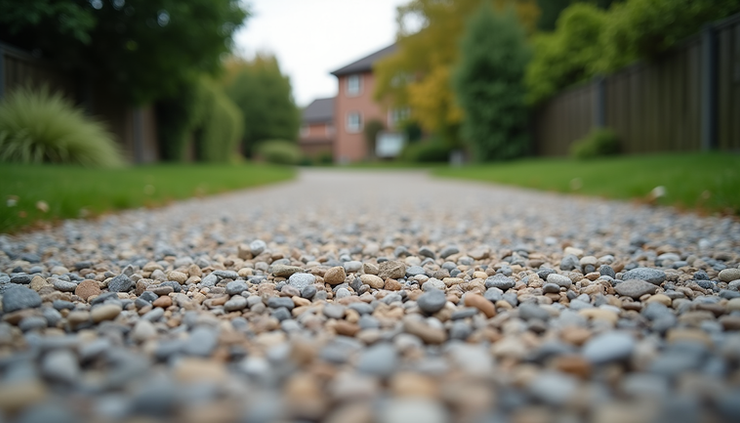
Why You Need a Gravel Calculator
Calculating gravel by volume alone can lead to errors because gravel density varies by type and moisture content. A gravel calculator converts volume measurements into weight (tons), which is how gravel is typically sold. This helps you:
Buy the right amount without excess waste
Estimate costs accurately based on price per ton
Plan delivery and storage efficiently
Avoid project delays caused by gravel shortages
Using a landscaping material calculator designed for gravel ensures your measurements are precise and tailored to your specific project.
How Gravel Quantity Is Measured
Gravel quantity is usually measured in two ways:
Volume (cubic yards or cubic meters): The space the gravel will occupy.
Weight (tons or kilograms): The actual mass of the gravel.
Since gravel density varies, converting volume to weight requires knowing the gravel’s density, which depends on the type of gravel:
| Gravel Type | Density (lbs per cubic foot) | Density (tons per cubic yard) |
|--------------------|------------------------------|-------------------------------|
| Pea Gravel | 100 - 110 | 1.35 - 1.5 |
| Crushed Stone | 110 - 120 | 1.5 - 1.6 |
| River Rock | 95 - 105 | 1.3 - 1.4 |
| Limestone Gravel | 110 - 120 | 1.5 - 1.6 |
Knowing these values helps you convert volume measurements into tons accurately.
Steps to Calculate How Much Gravel You Need
1. Measure the Area
Start by measuring the length and width of the area where you want to spread gravel. For irregular shapes, divide the area into smaller rectangles or triangles, calculate each area, and then add them together.
2. Determine the Depth
Decide how deep you want the gravel layer to be. Typical depths range from 2 to 6 inches depending on the project:
Driveways: 4 to 6 inches
Walkways and paths: 2 to 3 inches
Garden beds: 1 to 2 inches
3. Calculate Volume
Convert your measurements to consistent units (feet or meters). Use this formula to calculate volume in cubic feet:
```
Volume (cubic feet) = Length (ft) × Width (ft) × Depth (ft)
```
To convert cubic feet to cubic yards, divide by 27 (since 1 cubic yard = 27 cubic feet).
4. Convert Volume to Weight
Multiply the volume in cubic yards by the gravel density (tons per cubic yard) based on your gravel type. This gives you the total tons of gravel needed.
Example:
You want to cover a 20 ft by 10 ft driveway with 4 inches (0.33 ft) of crushed stone.
Volume = 20 × 10 × 0.33 = 66 cubic feet
Volume in cubic yards = 66 ÷ 27 = 2.44 cubic yards
Using crushed stone density of 1.5 tons per cubic yard:
Total weight = 2.44 × 1.5 = 3.66 tons
You will need approximately 3.7 tons of crushed stone for this driveway.
Using a Gravel Calculator Online
A gravel calculator automates these steps. You enter your project dimensions and gravel type, and it calculates volume and tons instantly. This tool reduces errors and saves time.
Benefits of Using a Gravel Calculator
Handles complex shapes and multiple layers
Converts between units (feet, meters, yards)
Adjusts for gravel type and compaction
Provides cost estimates based on price per ton
Try a gravel calculator to get precise estimates for your landscaping or construction project.
Tips for Buying Gravel
Order extra gravel: Add 5-10% more to your estimate to account for compaction and spillage.
Choose the right gravel type: Different projects require different gravel sizes and types.
Check delivery options: Gravel is heavy; delivery costs can add up.
Store gravel properly: Keep it dry and covered to prevent contamination.
Common Gravel Types and Their Uses
Pea Gravel: Small, smooth stones ideal for walkways and garden beds.
Crushed Stone: Angular stones perfect for driveways and drainage.
River Rock: Rounded stones used for decorative landscaping.
Limestone Gravel: Durable and commonly used for construction bases.
Selecting the right gravel type affects both the quantity needed and the project outcome.
How to Calculate Gravel for Different Projects
Driveways
Use a depth of 4 to 6 inches. Measure the length and width accurately. Consider a base layer of larger gravel topped with finer gravel for stability.
Patios and Walkways
A 2 to 3-inch depth is usually sufficient. Ensure the area is well compacted before spreading gravel.
Garden Beds and Mulch
Use 1 to 2 inches of gravel as a decorative mulch alternative. This helps with drainage and weed control.
Internal Links for More Calculators
For other project needs, check out these guides and calculators:
These tools help you estimate materials for various landscaping and construction projects.
Estimating the right amount of gravel is essential for a smooth project. Using a gravel calculator helps you avoid costly mistakes and ensures your project stays on track. Whether you are working on a driveway, patio, or garden path, accurate gravel measurement saves time and money.



Comments