Top 5 Deck Railing Mistakes You Must Avoid for a Safe and Stylish Outdoor Space
- Support Inbox
- Apr 15
- 2 min read

Building or upgrading a deck railing can transform your outdoor space into a safe and inviting area. Yet, many homeowners make common mistakes that compromise both safety and style. Avoiding these errors ensures your deck railing not only looks great but also protects your family and guests. This post highlights the top five deck railing mistakes and offers practical tips to help you plan and build the perfect railing.
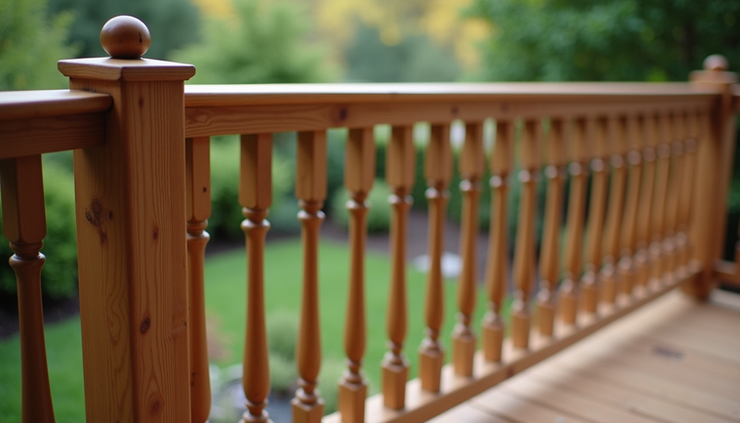
Poor Spacing Between Balusters
One of the most frequent mistakes is incorrect spacing between balusters or pickets. If the gaps are too wide, children or pets might slip through, creating a serious safety hazard. Building codes typically require baluster spacing to be no more than 4 inches apart to prevent accidents.
How to avoid this:
Measure carefully before installation.
Use a spacer tool to maintain consistent gaps.
Check local building codes for exact spacing requirements.
Weak or Unstable Posts
Posts are the backbone of your deck railing. Weak or improperly anchored posts can cause the entire railing to wobble or fail under pressure. This not only looks unprofessional but also puts everyone at risk.
How to avoid this:
Use sturdy materials like pressure-treated wood or metal.
Anchor posts securely into the deck frame or concrete footings.
Reinforce posts with brackets or additional fasteners.
Test stability by applying pressure before finishing.
Ignoring Building Codes and Regulations
Skipping or overlooking local building codes can lead to costly repairs, fines, or even unsafe structures. Codes cover everything from height requirements to materials and fastening methods.
How to avoid this:
Research your local building codes before starting.
Obtain necessary permits.
Consult with a professional if unsure about code compliance.
Follow guidelines for railing height, load capacity, and materials.
Blocking Scenic Views
While safety is paramount, a railing that blocks your view can diminish your outdoor experience. Thick or bulky railings may obstruct sightlines, making your deck feel cramped.
How to avoid this:
Choose railing designs with slim balusters or horizontal cables.
Use glass panels for an unobstructed view.
Opt for lighter colors or materials that blend with the surroundings.
Using Inappropriate Materials
Selecting the wrong materials can lead to premature wear, rust, or rot. For example, untreated wood may warp or decay quickly, while some metals can corrode if not properly coated.
How to avoid this:
Use weather-resistant materials like cedar, composite, stainless steel, or powder-coated metal.
Apply protective finishes regularly.
Match materials to your climate and maintenance preferences.
How to Avoid These Issues with Accurate Planning
Planning is key to a successful deck railing project. Using a Deck Railing Calculator can help you:
Calculate the exact number of balusters needed based on your deck dimensions.
Determine post spacing and railing length.
Ensure compliance with spacing and height requirements.
Estimate material quantities and costs.
Accurate measurements reduce waste, save money, and prevent common mistakes. Many online calculators are free and user-friendly, making them a valuable tool for DIYers and professionals alike.


Comments