Recognizing Signs of Serious Structural Damage and When to Seek Urgent Help
- Support Inbox
- Apr 21
- 3 min read

Structural damage in a home or building can start small but quickly become dangerous if ignored. Knowing the warning signs and understanding their severity can protect your property and keep you safe. This guide explains common indicators of serious structural issues, categorizes their severity, and helps you decide when to act immediately.
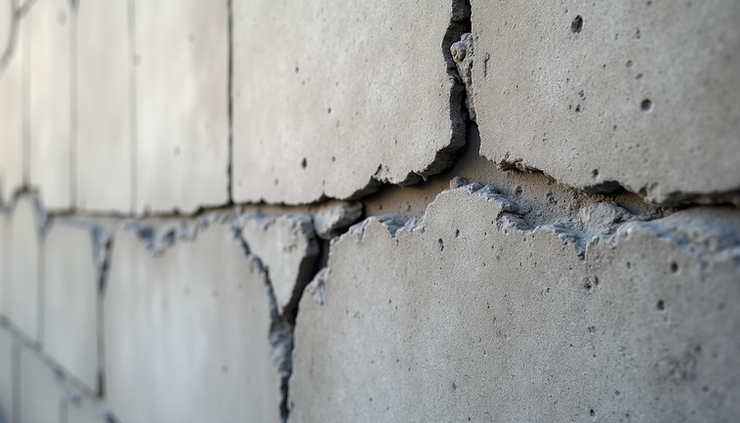
Common Warning Signs of Structural Damage
Structural damage often shows up in visible ways. Recognizing these early signs can prevent costly repairs and safety hazards.
Foundation Cracks
Cracks in the foundation are one of the most obvious signs of structural problems. Not all cracks are dangerous, but some require urgent attention.
Minor cracks: Hairline cracks less than 1/8 inch wide, often caused by normal settling.
Moderate cracks: Cracks between 1/8 and 1/4 inch wide, especially if they are horizontal or stair-step shaped.
Severe cracks: Cracks wider than 1/4 inch, accompanied by displacement or water seepage.
Horizontal cracks or those that widen over time suggest pressure on the foundation walls and may lead to collapse if untreated.
Bowing or Leaning Walls
Walls that bow inward or lean outward indicate pressure from soil or moisture outside the foundation.
Minor bowing: Slight inward curve, usually less than 1 inch over 10 feet.
Moderate bowing: Noticeable curve between 1 and 3 inches, often accompanied by cracks.
Severe bowing: More than 3 inches of inward movement, which can cause wall failure.
Bowing walls often result from poor drainage or soil expansion and require professional evaluation.
Sagging or Uneven Floors
Floors that sag, slope, or bounce can signal structural issues beneath the surface.
Minor sagging: Slight unevenness or soft spots, possibly from floor joist shrinkage.
Moderate sagging: Visible dips or slopes greater than 1/4 inch over several feet.
Severe sagging: Large dips, creaking sounds, or floors that feel unstable.
Sagging floors may indicate damaged joists, foundation shifts, or termite damage.
Water Damage Indicators
Water can weaken structural elements and cause mold growth.
Minor signs: Small stains or damp spots on walls or ceilings.
Moderate signs: Peeling paint, warped wood, or persistent dampness.
Severe signs: Large water stains, mold patches, or rotting wood.
Water damage near the foundation or load-bearing walls is especially concerning.
Severity Levels and When to Act
Understanding the severity of structural damage helps prioritize repairs and safety measures.
| Severity Level | Description | Recommended Action |
|----------------|-------------|--------------------|
| Minor | Small cracks, slight bowing, minor water stains | Monitor regularly, schedule a professional inspection |
| Moderate | Growing cracks, noticeable bowing, sagging floors, persistent water damage | Arrange prompt professional evaluation and repairs |
| Severe | Large cracks, severe bowing, unstable floors, extensive water damage | Seek immediate professional help, avoid using affected areas |
If you notice severe signs, do not delay contacting a structural engineer or qualified contractor. Immediate action can prevent collapse or injury.
Practical Examples of Structural Damage
A homeowner noticed a stair-step crack in the basement wall growing over several months. After a professional inspection, they found soil pressure was pushing the wall inward. Timely wall reinforcement prevented further damage.
Another property had sagging floors and water stains near the foundation. Investigation revealed a leaking pipe causing wood rot. Repairing the leak and replacing damaged joists restored floor stability.
In a third case, a large horizontal crack appeared in the foundation with water seepage. The owners evacuated the basement and called experts who installed drainage and foundation supports.
These examples show how early detection and professional help can save homes.
Using Tools to Assess Structural Concerns
You can use simple tools to track changes in your home’s structure:
Crack width gauge: Measures crack size over time.
Level or laser level: Checks floor and wall alignment.
Moisture meter: Detects hidden water damage.
For more precise calculations on foundation settlement or load capacity, use our foundation settlement calculator and floor load calculator.
When to Request a Professional Inspection
If you observe any of the following, schedule a professional inspection immediately:
Cracks wider than 1/4 inch or growing cracks
Walls bowing more than 1 inch inward
Floors sagging noticeably or feeling unstable
Signs of water damage near structural elements
Doors or windows that stick or fail to close properly
A licensed structural engineer or experienced contractor can diagnose the problem and recommend repairs.
Structural damage can escalate quickly and threaten your safety. By recognizing warning signs like foundation cracks, bowing walls, sagging floors, and water damage, you can take timely action. Use available tools to monitor your home and do not hesitate to seek professional help when needed.


Comments