Rebar and Reinforcement in Masonry: When and Why It’s Needed
- Support Inbox
- Apr 14
- 4 min read

Masonry structures are known for their strength and durability, but they are not invincible. To ensure safety and longevity, reinforcement plays a crucial role. Rebar and other reinforcement methods help masonry withstand forces that could otherwise cause cracks or failure. In this post, I’ll explain the basics of rebar and reinforcement in masonry, when you need them, and why they matter. I’ll also share practical examples and tools to help you plan your projects better.
Understanding Rebar and Reinforcement in Masonry
Masonry is made from materials like bricks, concrete blocks, or stone, held together by mortar. While these materials are strong under compression, they are weak under tension and bending. That’s where reinforcement comes in.
Rebar, short for reinforcing bar, is a steel bar placed inside masonry to improve its tensile strength. It helps the structure resist forces like bending, stretching, and cracking. Reinforcement can also include wire mesh, steel rods, or other materials designed to strengthen masonry walls, columns, or slabs.
Rebar is usually made of carbon steel and comes in different sizes and grades. It is placed in specific patterns inside the masonry, often in horizontal or vertical positions, depending on the design and load requirements.
Why Reinforce Masonry?
Masonry without reinforcement can crack or fail under certain conditions:
Seismic activity: Earthquakes create forces that masonry alone cannot handle well.
Wind loads: Tall walls or structures exposed to strong winds need extra support.
Heavy loads: Floors, roofs, or walls carrying heavy weight require reinforcement.
Temperature changes: Expansion and contraction can cause cracks.
Settlement: Uneven ground or foundation movement stresses masonry.
Reinforcement helps prevent these problems by distributing forces more evenly and increasing the structure’s flexibility and strength.
When to Use Rebar and Reinforcement in Masonry
Not every masonry project needs reinforcement. The decision depends on factors like building codes, structural design, and environmental conditions. Here are common cases when reinforcement is necessary:
1. Load-Bearing Walls
Walls that support floors or roofs often require vertical and horizontal reinforcement. This helps the wall carry weight safely and resist bending or cracking.
2. Seismic Zones
In areas prone to earthquakes, building codes usually require reinforced masonry to improve safety. Rebar helps walls absorb and resist shaking forces.
3. Tall or Long Walls
Walls over a certain height or length need reinforcement to prevent buckling or cracking. Horizontal rebar placed in mortar joints or bond beams is common.
4. Retaining Walls
Walls holding back soil or water pressure must be reinforced to resist lateral forces.
5. Openings and Corners
Areas around windows, doors, and corners are weak points. Reinforcement helps strengthen these spots and prevent cracks.
6. Foundations and Footings
Rebar is essential in concrete footings and foundations to handle loads and ground movement.
Practical Examples of Reinforcement in Masonry
Let me share some examples to illustrate how reinforcement works in real projects.
Residential home walls: Vertical rebar is placed in hollow concrete blocks and filled with grout. Horizontal rebar is added in bond beams at certain heights. This setup supports floors and roofs and meets local building codes.
Commercial building: Reinforced masonry walls use steel mesh and rebar to handle heavy loads and seismic forces. Openings for large windows have extra reinforcement around the frames.
Retaining wall: Vertical rebar is spaced along the wall height, tied to horizontal bars in the footing. This design resists soil pressure and prevents wall failure.
Tools to Calculate Reinforcement Needs
Planning reinforcement requires accurate calculations. You need to know the size, spacing, and amount of rebar to use. This depends on the wall dimensions, loads, and local codes.
I recommend using online calculators to simplify this process. For example, CalculatorPlatform.com offers tools that help you estimate reinforcement needs quickly and accurately. These calculators consider factors like wall height, thickness, load type, and rebar size.
Using such tools saves time and reduces errors. You can adjust parameters and see how changes affect reinforcement requirements. This helps you plan materials and costs better.
Comparing Reinforcement Products
There are different reinforcement products available. Here are two common types I often work with:
1. Steel Rebar
Steel rebar is the most common reinforcement. It comes in various sizes (usually #3 to #11) and grades. It’s strong, durable, and easy to work with. You can bend it to fit corners or openings.
2. Welded Wire Mesh
Wire mesh is a grid of steel wires welded together. It’s often used in slabs or thin walls. It distributes loads evenly and controls cracking. It’s faster to install but less flexible than rebar.
Both products have their place. For heavy load-bearing walls or seismic zones, rebar is usually preferred. For slabs or thin walls, wire mesh can be enough.
How to Install Rebar in Masonry
Proper installation is key to effective reinforcement. Here are some tips:
Place vertical rebar inside hollow blocks or cores before filling with grout.
Use horizontal rebar in bond beams or mortar joints as required.
Tie rebar intersections with wire to keep them in place.
Maintain proper cover (distance from surface) to protect steel from corrosion.
Follow local building codes and engineering specifications.
Common Mistakes to Avoid
Reinforcement only works if done right. Watch out for these mistakes:
Skipping reinforcement in critical areas.
Using wrong size or grade of rebar.
Poor placement or spacing of rebar.
Not tying rebar properly.
Insufficient concrete cover leading to rust.
Summary
Rebar and reinforcement are essential for strong, safe masonry structures. They help walls and foundations resist forces that could cause cracks or failure. You need reinforcement in load-bearing walls, seismic zones, tall walls, retaining walls, and around openings.
Using the right products like steel rebar or wire mesh, and installing them correctly, makes a big difference. Planning reinforcement with online calculators can save time and money.
If you want to make sure your masonry project is safe and efficient, I suggest you Calculate Reinforcement Needs today. It’s a simple step that helps you build stronger, longer-lasting structures.
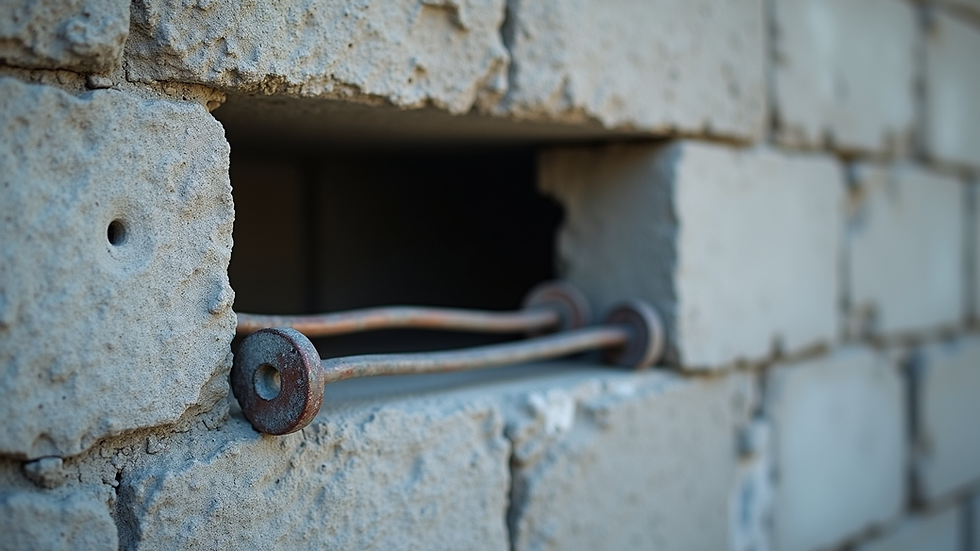
Steel rebar placed inside a concrete block wall before filling with grout to reinforce the structure.



Comments