Fence Cost Guide 2026: Essential Insights to Estimate Your Fence Project

Building a fence is a significant investment that adds privacy, security, and curb appeal to your property. However, fence costs can vary widely depending on several factors. Getting an accurate estimate helps you plan your budget, avoid surprises, and choose the right materials and design for your needs. This guide breaks down the costs involved in building a fence in 2026, explains what affects pricing, and shows you how to estimate your project with confidence.

Average Fence Costs
Fence prices depend largely on the material you choose. Here are typical cost ranges per linear foot for common fence types:
Wood fence: $15 to $35
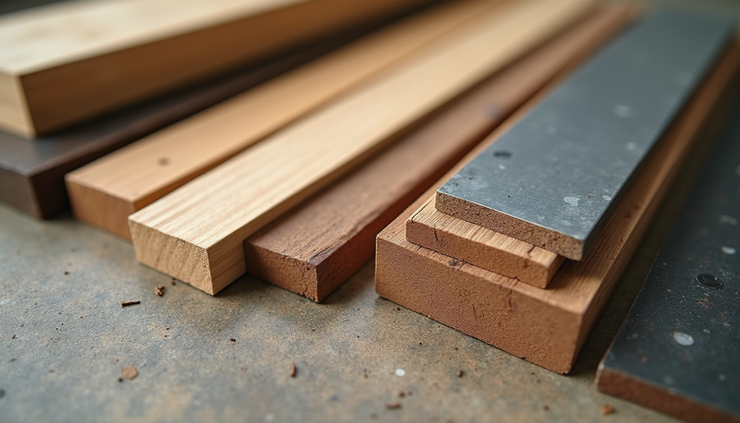
Wood fences offer a natural look and can be customized with paint or stain. They require regular maintenance to prevent rot and damage.
Vinyl fence: $20 to $40
Vinyl fences are low-maintenance and durable, resisting weather and pests. They come in various styles and colors.
Chain link fence: $10 to $25
Chain link fences are affordable and practical for security or pet containment but offer less privacy.
Metal/ornamental fence: $25 to $60+
Metal fences, such as wrought iron or aluminum, provide a decorative and sturdy option. Prices vary with design complexity.
These ranges include materials and basic installation but can change based on project specifics.
What Affects Fence Cost
Several factors influence the final price of your fence project:
Fence material
Different materials have varying costs for raw materials and installation. For example, metal fences often require skilled labor and special tools.
Height and length
Taller fences and longer runs increase material and labor costs. Local regulations may also dictate minimum heights.
Terrain and soil conditions
Uneven ground, rocky soil, or slopes require extra work for leveling and post setting, adding to labor time and expenses.
Labor and installation complexity
Intricate designs, gates, and custom features increase installation time and cost. DIY projects can save money but require skill.
Common Fence Projects
Understanding typical fence uses can help you choose the right style and budget accordingly:
Backyard privacy fences
Usually wood or vinyl, these fences block views and noise, often 6 feet or taller.
Decorative fencing
Metal or ornamental fences enhance curb appeal and define garden spaces without full privacy.
Property boundary fencing
Chain link or wood fences mark property lines and provide security, often with gates for access.
How to Estimate Fence Cost
Start by measuring the total linear feet of the fence line. Use a tape measure or wheel to measure the perimeter where the fence will go. Include any additional sections for gates.
Remember to count:
Fence length in linear feet
Number of gates and their sizes
Posts spaced typically every 6 to 8 feet
For example, a 100-foot fence with one 4-foot gate and posts every 8 feet will need about 13 posts (100 ÷ 8 = 12.5, round up) plus the gate hardware.
Cost Breakdown
Fence costs include several components:
Materials
Wood panels, vinyl planks, metal sections, posts, concrete for setting posts, nails, screws, and paint or stain.
Labor
Time spent digging post holes, setting posts, attaching panels, and finishing.
Posts
Posts are critical for stability and usually made of treated wood, metal, or vinyl.
Gates
Gates add cost due to hardware, hinges, latches, and extra framing.
Hardware
Nails, screws, brackets, and concrete for post setting.
Knowing these helps you understand where your money goes and identify areas to save.
Common Mistakes
Avoid these pitfalls when planning your fence project:
Underestimating length
Measure carefully to avoid buying too little material or needing extra trips.
Ignoring terrain issues
Rocky or sloped ground requires extra labor and materials.
Not including gates or hardware
Forgetting gates or necessary hardware can delay your project and increase costs.
Using a Calculator
Fence calculators simplify the estimating process by letting you enter your fence length, height, material, and gate count. They provide instant cost estimates based on current prices and labor rates.
Try our Fence Calculator to calculate your fence cost quickly and accurately. You can also use the Landscaping Calculator for related outdoor projects or the General Construction Estimating Calculator for broader home improvement budgeting.
Related Resources
For more on outdoor home projects, check out our detailed Paver Cost Guide to plan your patio or driveway alongside your fence.

Estimate Your Fence Project
Planning your fence carefully ensures you get the best value and results. Use our tools to calculate materials or request a professional quote tailored to your property.
Estimate Your Fence Project
Calculate materials or get expert help to build the fence you want.


Comments