Essential Excavating and Grading Tools Every Contractor Should Know
- Support Inbox
- Apr 14
- 3 min read

Excavating, grading, and earthwork form the backbone of any construction project. These processes involve moving and shaping soil to prepare a site for building, ensuring proper drainage, and creating stable foundations. Without the right tools and accurate calculations, projects can face delays, increased costs, and safety risks. This guide covers the essential equipment contractors need, how to perform key calculations, and tips for effective project planning.
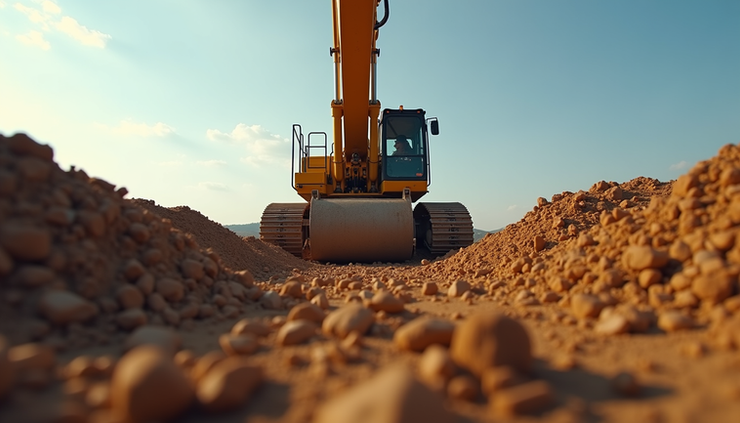
Excavators are vital for digging foundations and trenches.
What Excavating, Grading, and Earthwork Involve
Excavating means removing soil to create space for foundations, trenches, or utilities.
Grading shapes the land to control slope and drainage, preventing water damage.
Earthwork covers all soil movement, including filling, compacting, and leveling.
Each step requires careful planning and the right tools to avoid costly mistakes like over-excavation or poor drainage.
Why Accurate Tools and Calculations Matter
Using proper equipment and precise calculations helps contractors:
Calculate soil volumes accurately to avoid excess digging or filling
Reduce equipment run time and fuel consumption
Ensure slopes meet drainage requirements
Keep projects on schedule and within budget
Earthwork calculators and digital takeoff tools have become invaluable for estimating volumes and costs quickly, improving decision-making on site.
Common Excavating Tools and Equipment
Excavators
Excavators are the most versatile machines for digging and trenching. They come in various sizes, from compact models for tight spaces to large units for heavy-duty work.
Uses:
Digging foundations for buildings
Creating trenches for utility lines
Removing large volumes of soil efficiently
Backhoes
Backhoes combine a digging bucket on the front and a loader on the back, making them ideal for smaller to medium excavation tasks.
Uses:
Residential excavation projects
Utility installation and repair
Loading and moving soil on site
Bulldozers
Bulldozers push large amounts of soil and debris, making them essential for clearing land and rough grading.
Uses:
Clearing vegetation and debris
Rough grading to shape the land
Moving large soil volumes quickly
Skid Steers
Skid steers are compact and highly maneuverable, perfect for landscaping and light grading in confined areas.
Uses:
Working in tight spaces
Landscaping and site cleanup
Light grading and soil moving
Dump Trucks
Dump trucks transport soil, gravel, and debris away from or onto the site, supporting excavation and grading operations.
Uses:
Hauling excavated soil off site
Delivering fill material
Moving gravel and debris
Grading Tools and Equipment
Motor Graders
Motor graders create smooth, precise slopes and surfaces. They are essential for final grading before paving or landscaping.
Uses:
Fine grading for roads and parking lots
Creating drainage slopes
Leveling large areas
Laser Levels and GPS Systems
Modern grading relies on laser levels and GPS technology to ensure accuracy.
Benefits:
Precise slope measurements
Faster setup and adjustments
Reduced human error
Rakes and Hand Tools
For small projects or finishing touches, hand tools like rakes and shovels remain important.
Uses:
Fine grading in landscaping
Adjusting soil around utilities
Cleaning up after heavy equipment work
Key Calculations for Earthwork Projects
Accurate volume calculations prevent costly mistakes. Here are common methods:
Cross-section method: Measures area of soil cross-sections at intervals and multiplies by distance.
Average end area method: Calculates average area between two sections and multiplies by length.
Digital takeoff tools: Software that uses site plans and 3D models to estimate volumes quickly.
Example: If a trench is 100 feet long, 5 feet wide, and 3 feet deep, the volume is:
100 ft × 5 ft × 3 ft = 1,500 cubic feet of soil to excavate.
Using calculators helps adjust for soil compaction and swelling factors, improving accuracy.
Planning Your Earthwork Project
Assess site conditions: Soil type, moisture, and existing slopes affect equipment choice and work methods.
Choose the right equipment: Match machines to project size and terrain.
Estimate volumes carefully: Use calculators and site measurements.
Schedule equipment use: Avoid idle time to save fuel and rental costs.
Plan for drainage: Ensure grading supports water runoff away from structures.
Safety Considerations
Always inspect equipment before use.
Train operators on machine controls and site hazards.
Use proper signage and barriers around excavation zones.
Monitor weather conditions that may affect soil stability.


Comments