Common Masonry Mistakes That Cause Cracking and Failure
- Support Inbox
- Apr 14
- 3 min read

Masonry work demands precision and care. Even small errors can lead to cracks, structural failure, and costly repairs. I’ve seen many projects where simple mistakes caused big problems down the line. Knowing these common pitfalls helps contractors avoid them and deliver strong, lasting results.
In this post, I’ll walk you through key masonry mistakes that often cause cracking and failure. I’ll also share practical tips to prevent these issues. Whether you’re building walls, chimneys, or other structures, this guide will help you plan and execute your work more accurately.
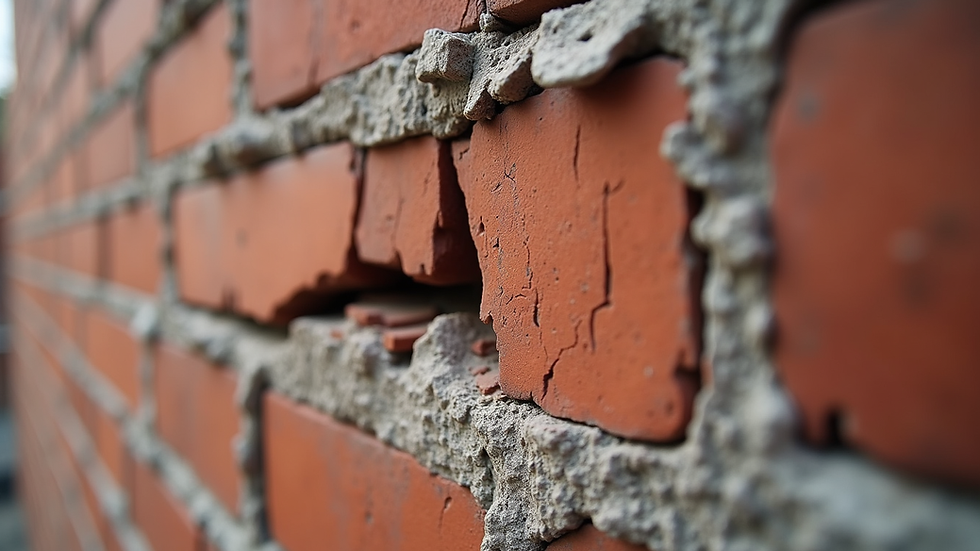
Close-up view of cracked brick wall showing mortar failure
Poor Foundation and Base Preparation
One of the biggest causes of masonry failure is a weak or uneven foundation. Masonry walls rely on a solid base to carry their weight. If the foundation shifts or settles unevenly, cracks will appear in the masonry above.
Common errors include:
Building on loose or poorly compacted soil
Skipping proper leveling and alignment checks
Using inadequate footing size or depth for the load
To prevent this, always:
Conduct soil tests to assess bearing capacity
Excavate and compact the base properly
Use footings sized according to structural requirements
Check levels frequently during construction
A strong foundation sets the stage for a crack-free wall.
Using the Wrong Mortar Mix
Mortar holds masonry units together and absorbs some movement. Using the wrong mortar mix can cause it to be too weak or too rigid, leading to cracks.
Mistakes I often see:
Using high-strength mortar on softer bricks, causing stress
Mixing mortar with incorrect water ratios
Not adjusting mortar type for environmental conditions
The right mortar mix depends on the masonry unit and exposure. For example, Type N mortar is common for above-grade walls, while Type S is stronger for foundations.
One product that helps ensure consistent mortar quality is the Mortar Mix Pro. It offers pre-blended mixes tailored for different masonry needs, reducing guesswork and improving durability. You can learn more about it here.
Inadequate Control Joints and Expansion Gaps
Masonry expands and contracts with temperature and moisture changes. Without proper control joints, this movement causes cracks.
Common mistakes include:
Omitting control joints in long walls
Placing joints too far apart
Filling joints with rigid materials that don’t allow movement
Control joints should be spaced according to wall length and height, typically every 20 to 25 feet. Use flexible sealants or backer rods to allow movement.
Planning these joints early in the design phase saves headaches later.
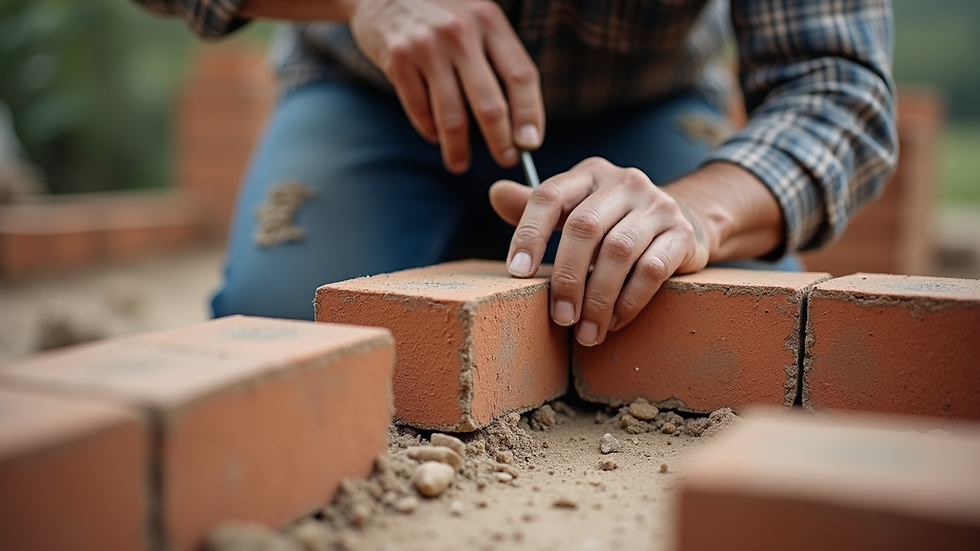
Eye-level view of mason installing bricks with proper joint spacing
Poor Bricklaying Techniques
Even with good materials, poor workmanship can cause failure. Some common errors are:
Uneven mortar joints causing weak spots
Overly thick or thin mortar layers
Not cleaning excess mortar from joints
Misaligned bricks reducing wall strength
Consistent joint thickness and clean tooling improve bond strength and appearance. Use a level and string line to keep bricks straight.
Training and experience matter here. Taking time to do it right pays off in fewer cracks and longer-lasting walls.
Ignoring Water Management
Water is a masonry enemy. It can seep into walls, freeze, and cause cracks or spalling.
Mistakes include:
No flashing or poorly installed flashing at openings
Missing weep holes to drain moisture
Using non-breathable sealants trapping water inside
Proper flashing, drainage, and breathable coatings protect masonry from water damage. For example, the WaterGuard Flashing System provides durable, easy-to-install flashing that prevents leaks and moisture buildup. Check it out here.
Skipping Structural Reinforcement
Large or tall masonry walls need reinforcement to resist wind and seismic forces. Skipping reinforcement leads to cracks and collapse.
Common oversights:
No steel bars or mesh in reinforced masonry
Incorrect placement of reinforcement
Not tying masonry to structural frames
Follow engineering specs for reinforcement. Use products like Rebar Mesh Kits designed for masonry walls to simplify installation. More details are available here.
Not Allowing Proper Curing Time
Masonry needs time to cure and gain strength. Rushing the process causes weak mortar and cracks.
Avoid:
Applying loads or finishes too soon
Exposing fresh masonry to rapid drying or freezing
Keep masonry moist for several days after laying. Protect it from harsh weather during curing.
Final Thoughts
Avoiding these common masonry mistakes helps you build stronger, crack-resistant structures. Focus on solid foundations, correct mortar mixes, proper joints, skilled bricklaying, water management, reinforcement, and curing.
If you want to plan your project accurately, consider using digital tools that simplify calculations and material estimates. They help you avoid costly errors and keep your work on track.
For example, you can use the Masonry Material Calculator to estimate bricks and mortar needed precisely.
Take the time to plan well and execute carefully. Your masonry work will last longer and save you from expensive repairs.
Plan Your Project Accurately with the right tools and knowledge.

High angle view of completed masonry wall with clean joints and no cracks


Comments