Calculate the Number of Pavers Needed for Your Perfect Patio
- Support Inbox
- Apr 15
- 3 min read

Creating a beautiful patio starts with one key question: How many pavers do I need? Whether you’re planning a cozy backyard retreat or a spacious outdoor dining area, knowing the exact number of pavers helps you avoid costly mistakes and delays. This guide walks you through the steps to calculate the right amount of pavers for your patio project, ensuring a smooth build and a stunning finish.
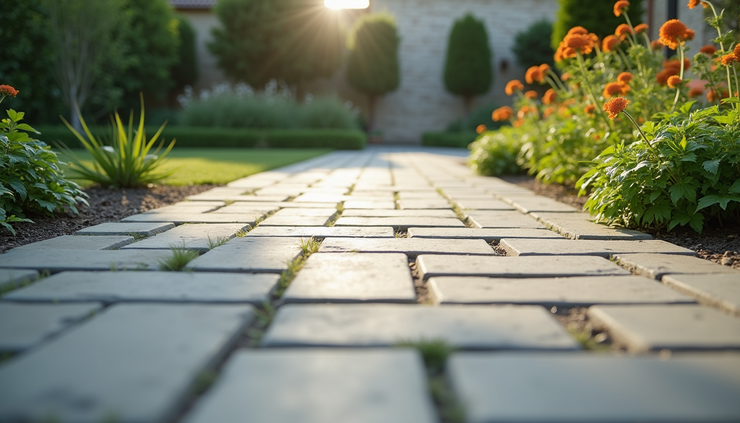
Understanding Patio Dimensions
Before you can calculate the number of pavers, you need to know the size of your patio. Measure the length and width of the area where you want to install the pavers. Use a tape measure and record the dimensions in feet or meters.
For rectangular or square patios, multiply length by width to get the total area.
For circular patios, use the formula: Area = π × radius².
For irregular shapes, divide the area into smaller rectangles or triangles, calculate each area, then add them together.
Example:
If your patio is 12 feet long and 10 feet wide, the total area is 12 × 10 = 120 square feet.
Choosing the Right Paver Size
Pavers come in many sizes and shapes, such as:
4x8 inches (common brick size)
6x6 inches (square pavers)
12x12 inches (large square pavers)
Custom shapes like hexagons or interlocking designs
Knowing the size of your paver is essential because it determines how many units fit into your patio area.
Example:
A 4x8 inch paver covers 32 square inches. To convert to square feet, divide by 144 (since 12 inches × 12 inches = 144 square inches in a square foot).
32 ÷ 144 ≈ 0.22 square feet per paver.
Calculating the Number of Pavers Needed
Once you have the patio area and paver size, follow these steps:
Convert all measurements to the same unit (usually square feet).
Calculate the area of one paver.
Divide the patio area by the area of one paver.
Example:
Patio area = 120 square feet
Paver area = 0.22 square feet
Number of pavers = 120 ÷ 0.22 ≈ 545 pavers
Accounting for Gaps and Patterns
Pavers are usually laid with small gaps between them for sand or mortar. These gaps affect the total number of pavers needed.
Standard gaps range from 1/8 inch to 1/2 inch.
Larger gaps mean fewer pavers per square foot.
Patterns like herringbone or basket weave may require cutting pavers, increasing waste.
To adjust for gaps, add about 5-10% extra pavers to your total count.
Example:
545 pavers + 10% = 545 + 54.5 ≈ 600 pavers
Considering Waste and Breakage
During installation, some pavers will break or need cutting to fit edges and corners. It’s wise to order extra to cover this.
Add 5-10% for waste depending on the complexity of your design.
For intricate patterns, lean toward 10%.
Example:
600 pavers + 10% waste = 600 + 60 = 660 pavers total
Tools to Simplify Your Calculation
Calculating pavers by hand can be tricky, especially for complex shapes or patterns. Online calculators can help you get accurate numbers quickly.
Enter your patio dimensions.
Select paver size.
Specify gap width.
Get the total number of pavers needed including waste.
**Calculate now** to get your exact number of pavers and avoid ordering too few or too many.
Tips for Ordering and Installation
Always buy pavers from the same batch to ensure color consistency.
Store pavers on a flat surface to prevent damage.
Plan your layout before installation to minimize cuts.
Use spacers to maintain consistent gaps.


Comments